
According to Reader's Digest, there are some things pharmacists won't say in the counter.
Reading it give me insights of what others feel when they visit a pharmacist technician and I will try to understand and give the best service they can get.
Here are the 22 Secrets:
1. Don't try to get anything past us. Prescriptions for painkillers or sleeping aids always get extra scrutiny.
2. We're not serving fries in here. I'd think twice about using a drive-through pharmacy. Working there distracts us-not a good thing when it comes to pharmaceuticals.
3. We're human … and we make mistakes (about two million a year). Ask if we use a bar-code system to help keep us from pulling the wrong drug off the shelf or giving the wrong strength of the right drug.
4. Sometimes we can't read the doctor's handwriting either. E-prescribing can help, but as of 2006, fewer than 20 percent of prescriptions were being electronically transmitted.
5. I hate your insurance company as much as you do. "Even if something's working for you, the insurance company may insist you switch to something else," says pharmacy owner Stuart Feldman."I'm stuck in the middle trying to explain this to customers."
6. We can give flu shots in most states.
7. A less-qualified pharmacy technician may have actually filled your prescription. Currently, there is no national standard for their training and responsibilities.
8. Generics are a close match for most brand names. But I'd be careful with blood thinners and thyroid drugs, since small differences can have big effects.
9. I can give you a generic refill that's different from the one you started with. When in doubt, ask. Online resources like cvs.com let you double-check your pill.
10. We're not mind readers, and there's not some big computer database that tracks your drugs and flags interactions for pharmacists everywhere. Use one pharmacy. If you start using a new one, make sure we know what you're taking.
11. Avoid the lines. It gets busy Monday and Tuesday evenings, since many new prescriptions and refills come in after the weekend.
12. Look into the $4 generics offered by chains like Target, Kroger, and Wal-Mart. And it can't hurt to ask your pharmacy if it will match the price.
13. Yelling at me won't help. If I can't reach your doctor and/or insurance company to approve a refill, there's nothing I can do about it. “It's frustrating,” says pharmacist Daniel Zlott, “but I'd be breaking the law in some states if I gave it to you.”
14. Don't put up with the silent treatment. Pharmacists are required by law in most states to counsel patients and answer their questions. If your pharmacist seems too busy to do talk with you, take your business someplace else.
15. An over-the-counter version might do the trick. You may just need to take more pills and forgo insurance reimbursement. But always talk to your pharmacist, and do the math.
16. Ask about over-the-counter drugs. "People assume that if it's over-the-counter, it's safe," says Daniel Zlott, a pharmacist at the National Institutes of Health. "I've seen serious complications."
17. Go ahead and call me doctor (I'm just not that kind of doctor). Since mid-2004, pharmacy students must pursue a doctorate in pharmacy (Pharm.D) in order to be licensed. Pharmacists licensed before then must have at least a Bachelor of Pharmacy and pass a series of exams. Either way, your pharmacist has spent more time studying drugs than even your doctor has.
18. Open up a little. "The better I know you as a patient—your health history, your family, and how busy your life is—the better I can tailor medications to fit your lifestyle," says Zlott. "You may not want to take a drug three times a day, for example, and I'll know that if I know you."
19. "People take too many drugs, definitely," says Stuart Feldman. Two out of every three patients who visit a doctor leave with at least one prescription for medication, according to the Institute for Safe Medication Practices. "Drugs are an easy solution," says Feldman, "but there are other solutions."
20. Talk to me—and check my work. Half the prescriptions taken in the U.S. each year are used improperly, and 96 percent of patients nationwide don't ask questions about how to use their medications. When you pick up your prescription, at a minimum, ask, What is this drug? What does it do? Why am I taking it? What are possible side effects? and How should I take it? Not only does this help you to use the drug correctly; it's also a good way to double-check that you're getting the right drug.
21. We'll save you money if we can. "A good part of a pharmacist's time is spent dealing with patients and their incomes," says pharmacist Cindy Coffey. Part of that is suggesting generic or OTC alternatives. Or if a doctor has prescribed a newer drug with no generic alternative available, says Zlott, "I might call the doctor to suggest an older drug that's equally effective."
22. "Some pharmacies are so volume-driven that the pharmacist can't look up all day," says pharmacist Cindy Coffey. There were a record 3.8 billion prescriptions filled in the U.S. in 2007—a 13 percent increase from 2003.
Good Luck,
Let me know on the shoutbox what else I should add in this post.
Thank you for reading my Online Pharmacy Technician Schools blog,
Joantine S.

According to wikiHow, there are definitely ways to make learning fun. One thing that works for me is never to lose hope even when you're tired or restless. here are some that wikiHow recommends
Good Luck,
Let me know on the shoutbox what else I should add in this post.
Thank you for reading,
Joantine S.

Free images are hard to find but I've saved some for you to use.


More that you can find right here: http://s987.photobucket.com/albums/ae359/joantine/Pharmacy%20Technician/
Good Luck,
Let me know on the shoutbox what else I should add in this post.
Thank you for reading,
Joantine S.

Today I wanted to share some flashcards that I've used previously.
Instead sending these cards to you, I created a video instead.
I will be creating another one pretty soon. Use the pause button to make your experience better in memorizing these terminology for pharmacy training.
Good Luck,
Let me know on the shoutbox what else I should add in this post.
Thank you for reading,
Joantine S.
After you're done with your exam, it is time to look for a career BUT, you definitely need a brand new resume. A tip, only include your previous employments that may benefit you of getting hired by hospitals or local pharmacies. Here are just some samples of them:

What I like about being pharmacy technician is that many people who speak to me speak with respect. I remember when I work in a bookstore, people just ignore me and many times I feel like I'm looked down. After becoming a pharmacy technician, I realize people treat me differently, they respected me, they talk about their family members, their friends, their business, etc. It was refreshing change.
So, I do not have a lot of money to spend so I chose getting my education from an online pharmacy training school. Allied schools started their course around $888. You can do down payment $530 first, and pay around $247 months after that but it'll come down to around $1,024. So, if you're like me, save money and pay in full and get their discounted price of $888.
So, lets start by.. what's the quickest way of becoming certified registered pharmacy technician?
Simple!

Good Luck,
Let me know on the shoutbox what else I should add in this post.
Thank you for reading,
Joantine S.
Excited!

Whoa!
The headline got some questions that I pretty much question myself before jumping in into this field.
I've been battling leukemia for 2 years now and many times I feel tired and I'd rather take an online course than actually going to school, but after much research and surfing on the web, basically this is how you start your search on finding a good online pharmacy technician school. This is just the perfect way for me to prepare for a new career, focus on my life and my cat, dexter. Also, reading statistics like this "Pharmacy Technician Employment Increasing Up to 32% By 2016" is just another push for me to get a career.
Many people do not realize that pharmacists do not do most of the work in the pharmacy but the pharmacy technicians they hire. The pharmacists have an important role in the pharmacy to approve the medications. So most of the people you talk to when you go to the pharmacy, you're talking to the pharmacy technicians! So what do pharmacy technicians do? Well, they gather all the information and they get the prescriptions ready for the pharmacist to sign off. And also they contact doctor's offices for prescriptions and answers questions asked through the phone or people walking in to the pharmacy.
According to US Bureau on Labor Statistics, Pharmacy Technicians make an average of $12 - $20/hour depending on where and when they work. Beside your local groceries stores or drug stores, hospitals do hire pharmacy technicians as well.
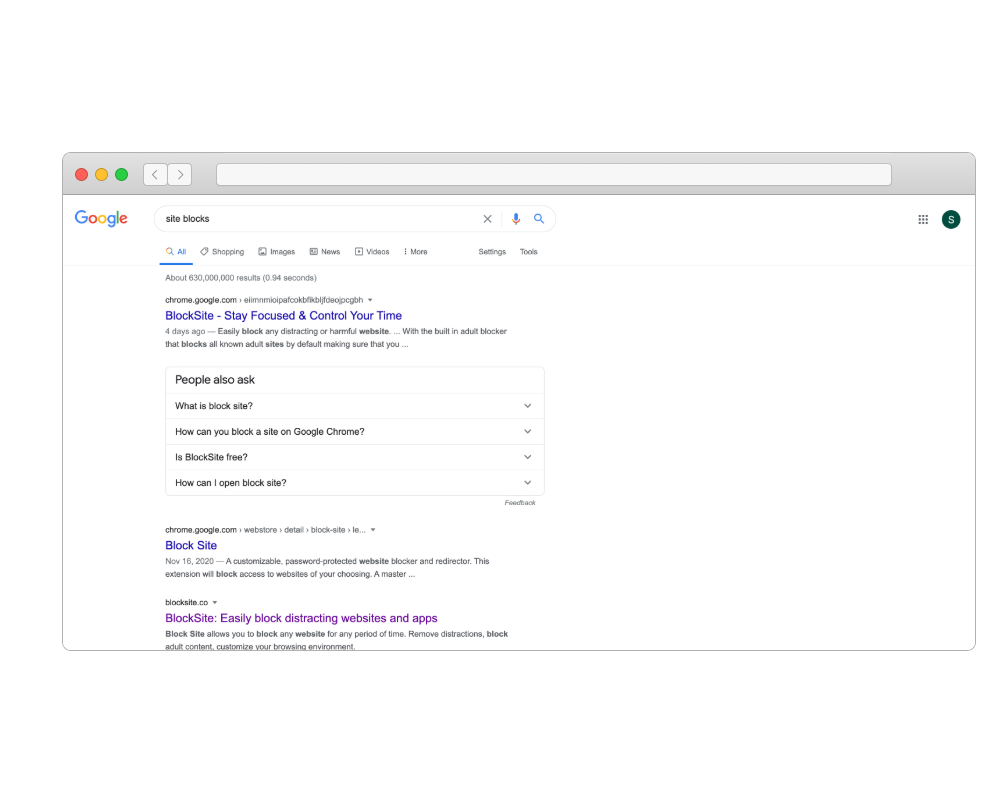
So, if you're still interested, lets start searching for schools that fits your lifestyle by starting with.... GOOGLE!!
Check out on how "accredited" is the next thing to be searched because, IT IS IMPORTANT!
Find schools that has "DETC" logo such as this:

Sometimes you may see it on the bottom of the page, such as this:

found on: http://www.pharmacytrainingonline.com/
You may find a lot of different schools just by searching on google and it can get pretty overwhelming.
There are only 2 schools that I can recommend.
1. Allied Schools' Online Pharmacy Technician School
2. Penn Foster's Pharmacy Technician Course
These two are your best bet after massive searching and asking questions around. (They are both fully accredited. Trust me, I contacted DETC)
My suggestions to you is that to call them up or check their website first. Talk to the rep and see which one you feel more comfortable with and choose it.
So far, I have a great relationship with Allied Schools' Online Pharmacy course and no need to look back.
Make sure that the course you chose provide you the knowledge you need to prepare for the certification exam. A good school will let you know more about this and take their time explaining it to you. After that, you have to take the Pharmacy Technician Certification Board (PTCB) and with this, you just multiply your opportunities in landing a job.
Here is a sample of the exam.
Please don't let this sample exam overwhelm you. You will learn this naturally from the course you will be taking.
Once you're done with your online pharmacy technician course and become certified, you will be fully prepared to join other pharmacy technicians in hospitals, grocery stores, or other drug stores nationwide. Don't be scared with your new career. Pharmacists are generally knowledgeable, patient, and willing to share their knowledge to anyone who wants to learn and excel in life.
Check out some jobs by using sites like: http://www.indeed.com/q-Pharmacy-Technician-jobs.html
And before you go, you need a clean nice resume. Check out a sample right here

Good Luck,
Let me know on the shoutbox what else I should add in this post.
Thank you for reading,
Joantine S.